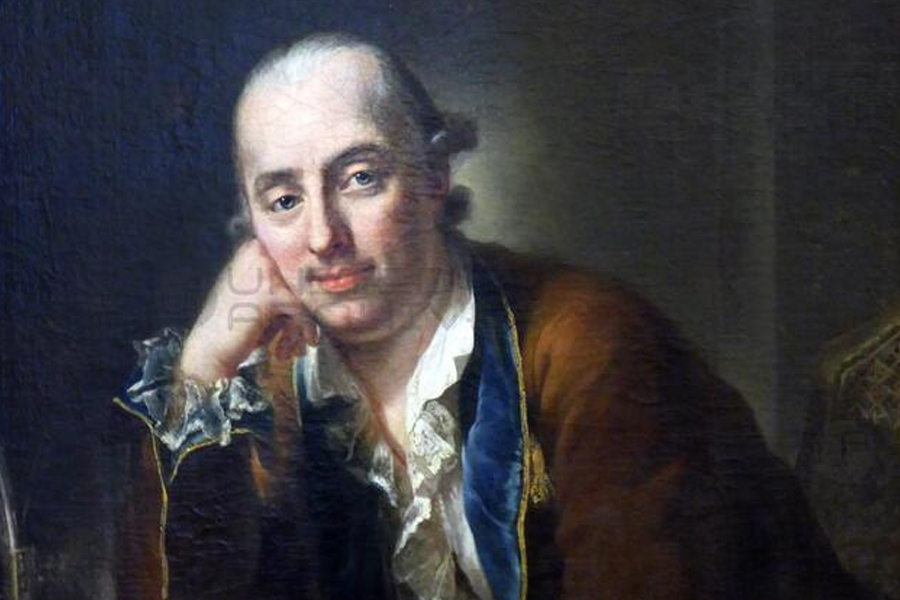
The man behind a tangled family line
I think of Johann Nepomuk Hiedler as a man standing in the shadow of history, yet holding a lantern that lights far more than his own path. Born on 19 March 1807 in Weitra in Lower Austria, he lived and died far from grand offices, battlefields, and public fame. He was a farmer, and not just any farmer. The family record describes him as relatively prosperous, which matters more than it first seems. In a rural world, land was leverage, shelter, and memory all at once. A farm could be a roof, a legacy, and a silent promise to the next generation.
Johann Nepomuk died on 17 September 1888 in Weitra, leaving behind more than fields and family property. He left behind a knot of relationships that would later draw intense attention because of the Hitler family line. His life was not loud, but it was consequential. Like a bridge built without ornament, it carried weight.
His parents, brothers, and the family home
Johann Nepomuk was born to Martin Hiedler and Anna Maria Göschl. His parentage placed him in the Hiedler family of Spital near Weitra, an Austrian family that would later be linked to one of the most legendary family trees in history.
Johann Georg Hiedler and Lorenz Hiedler were his brothers. Johann Georg is more recognized because of his role in Alois Hitler’s disputed account. Lorenz is less noticeable in history but still part of the family. This family reminds me of an old tree whose roots are more important than its fruit. Johann Nepomuk was not alone. He shared names, land, and the steady stresses of country life with his brothers.
Family was not court or city property. The soil owned it. That kind of life leaves deep tracks but few portraits.
Eva Maria Hiedler and the household he built
Johann Nepomuk married Eva Maria Decker, also known as Eva Maria Hiedler. She was born on 16 December 1792 and died on 28 December 1873. She was older than Johann Nepomuk, and their marriage anchored the household that would become important to several generations.
Together they had three daughters:
Johanna Hiedler, born 19 January 1830 and died 8 February 1906.
Walburga Hüttler, born 11 April 1832 and died 30 November 1900.
Josefa Hüttler, born 15 February 1834 and died 13 May 1859.
These names may seem modest, but family history often turns on modest names. Johanna married Johann Baptist Pölzl, Walburga married Josef Romeder, and Josefa married Leopold Seiler. Each daughter carried the family line forward, though not all in the same way.
Johanna is the most important for later history because she became the grandmother of Klara Pölzl, who would marry Alois Hitler. From that line came Adolf Hitler. I cannot read that fact without feeling how a household built around farm work and village ties could ripple outward into world history like a stone dropped into a still pond.
Walburga’s branch appears quieter in the records. Josefa’s life was brief and ended without children. Still, all three daughters belonged to the same domestic world shaped by Johann Nepomuk and Eva Maria. Their lives remind me that family history is never only about one famous descendant. It is also about the many ordinary lives that made that descendant possible.
Johann Nepomuk and Alois Hitler
The most discussed relationship in Johann Nepomuk’s life is his connection to Alois Schicklgruber, later Alois Hitler. Alois was born out of wedlock to Maria Schicklgruber. Johann Georg Hiedler, Johann Nepomuk’s brother, was later connected to the legal paternity question, but Johann Nepomuk himself became the practical father figure in the story.
Alois lived with Johann Nepomuk on his farm when he was a boy, and Johann Nepomuk is often described as the man who raised him. That matters. Biology is one thread, but upbringing is another, and sometimes upbringing binds tighter than blood. In this case, Johann Nepomuk appears as a guardian of household order, a provider of land, food, and direction.
In 1876, Johann Nepomuk testified in a way that helped support the later legitimation of Alois and the surname change to Hitler. The exact paternity question remains historically debated, but the legal and social outcome is clear enough. Alois became part of the Hiedler or Hitler family identity that shaped his children and grandchildren.
Johann Nepomuk also left Alois a significant portion of his savings in his will. That detail feels especially revealing. It suggests trust, investment, and perhaps a final attempt to secure the position of the man he had helped raise. Money in a rural inheritance is never just money. It is a key, a sign, and sometimes a verdict.
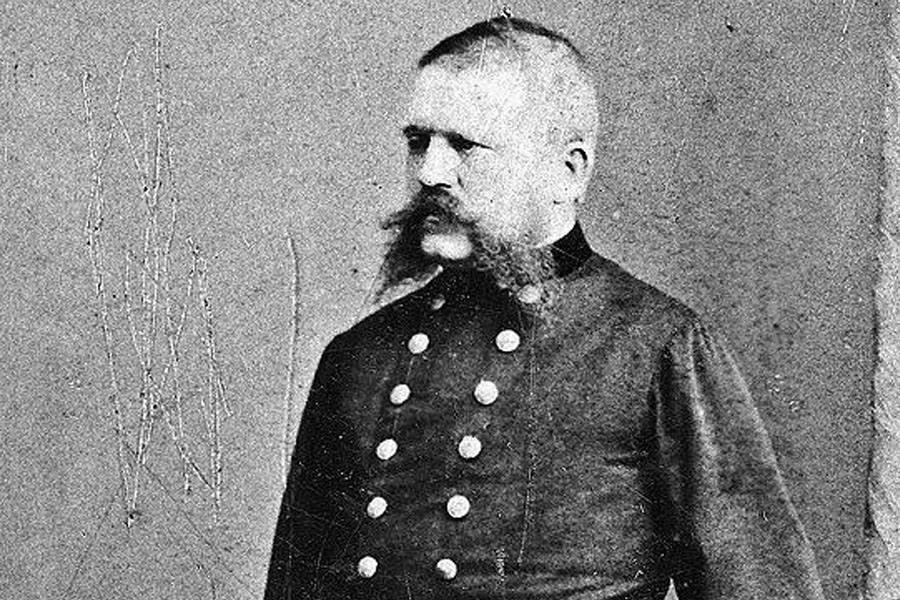
His place in the larger Hitler family line
Through Johanna Hiedler and Klara Pölzl, Johann Nepomuk is considered Hitler’s maternal great-grandfather. Klara, Johanna’s daughter, married Alois Hitler and had Adolf Hitler on April 20, 1889.
Johann Nepomuk is also related to Alois Hitler Jr., Edmund Hitler, Gustav Hitler, Ida Hitler, Paula Hitler, and Elfriede Maria Hochegger. Web density increases quickly. Each strand touches another in a glass bowl of roots.
Some sources list Johann Nepomuk as Adolf Hitler’s biological grandpa because Alois Hitler’s paternity was contested. The claim is unverified, but it demonstrates how much history can bind one rural Austrian household. A court dispute, family farm, and inheritance line become part of a global tale.
What I see in his career and work life
Johann Nepomuk did not build a famous career in the public sense. He was a farmer. That is the central fact. Yet farming in 19th century Lower Austria was not a small life. It meant management, discipline, labor, and resilience. It meant knowing when the soil would give and when it would resist. It meant feeding a household, maintaining property, and preserving enough stability to support relatives.
I read his life as one of quiet competence. He seems to have been the sort of man whose authority came from steadiness rather than noise. He left no celebrated invention, no office, and no public speech. But he left a farm, a family, and a financial legacy. That is a kind of achievement too.
FAQ
Who was Johann Nepomuk Hiedler?
Johann Nepomuk Hiedler was an Austrian farmer born in 1807 and died in 1888. He came from the Hiedler family of Weitra and is best known today for his role in the family history of Adolf Hitler.
Who were Johann Nepomuk Hiedler’s parents?
His parents were Martin Hiedler and Anna Maria Göschl. They belonged to the same rural family line in Lower Austria.
Did Johann Nepomuk Hiedler have siblings?
Yes. His brothers were Johann Georg Hiedler and Lorenz Hiedler. Johann Georg is the sibling most often mentioned in the family history surrounding Alois Hitler.
Who was Johann Nepomuk Hiedler married to?
He was married to Eva Maria Decker, also known as Eva Maria Hiedler. Their marriage produced three daughters.
Who were Johann Nepomuk Hiedler’s children?
His children were Johanna Hiedler, Walburga Hüttler, and Josefa Hüttler. Johanna became especially important because her daughter Klara Pölzl later married Alois Hitler.
What was Johann Nepomuk Hiedler’s relationship to Alois Hitler?
He was a close family figure who raised Alois on his farm and supported the later legal legitimation of Alois’s name and family status. He also left Alois part of his savings.
What is Johann Nepomuk Hiedler’s connection to Adolf Hitler?
Johann Nepomuk is generally identified as Adolf Hitler’s maternal great-grandfather through Johanna Hiedler and Klara Pölzl. Some historical discussions also consider him a possible biological grandfather, though that is not proven.
What did Johann Nepomuk Hiedler do for work?
He was a farmer. The record suggests he was relatively prosperous, with enough property and stability to support his household and help shape the future of the family.
Why is Johann Nepomuk Hiedler still discussed today?
He is discussed because his family line connects to Adolf Hitler, and because the paternity and legitimation story around Alois Hitler remains historically intriguing. His life sits at the center of a family history that later became world history.