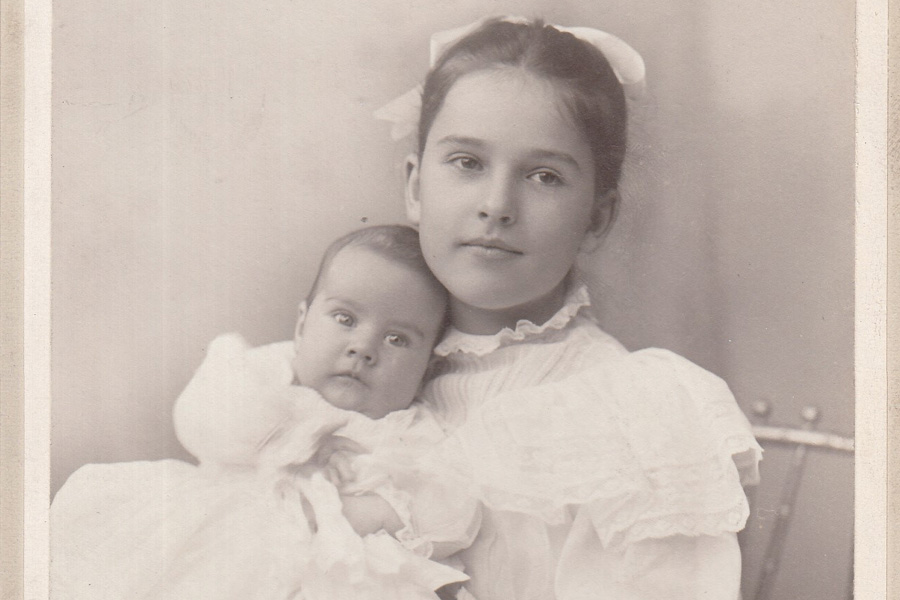
Family at a glance
- Thomas Edison – Father, the household sun around which childhood routines orbited
- Mina Miller Edison – Mother, organizer, and civic activist who steered family life
- John Eyre Sloane – Husband, an aviation entrepreneur who married into the Edison household in 1914
- Thomas Edison Sloane – Eldest son, born 1916, continuation of the Sloane line
- John Edison Sloane – Son, born 1918, one of four boys who carried the family name forward
- Peter Edison Sloane – Son, born 1923, later voice of family memory
- Michael Edison Sloane – Youngest son, born 1931, a life cut short in 1949
- Charles Edison – Brother, statesman and businessman who held public office
- Theodore Miller Edison – Brother, inventor and later environmental advocate
- Marion Estelle Edison – Half sister who shared family rituals and memories
- Thomas Alva Edison Jr. – Half brother, part of the larger Edison clan
- William Leslie Edison – Half brother, another branch of the family tree
- Samuel Ogden Edison – Cousin, part of the extended network of relations
- Nancy Matthews Elliott – Grandchild associated with later family generations
- Mary Valinda Alexander – Grandchild who carries fragments of the story forward
A life lived in the orbit of invention
I find Madeleine Edison to be a study in contrasts. Born on May 31, 1888, she arrived at Glenmont into an atmosphere of experiment, notebooks, and occasional public spectacle. Her childhood was measured by the rhythm of laboratories closing at dusk and drawing rooms full of visitors. She learned early that a family name could be both shelter and stage.
She married on June 17, 1914. The marriage blended two worlds. Her husband came with the rush of early aviation ambition and the practicalities of running a business. Together they raised four sons between 1916 and 1931. Four boys, four small revolutions of their own. One died tragically in 1949, a date that left a long silence in the household. The household had always been a workshop of ideas; the sons carried family artifacts, letters, and an unannounced duty to remember.
Career, civic work, and stewardship
Madeleine’s public life typically flowed slowly beneath a raging flood. She served as trustee and steward. She ran for Congress in 1938 after getting involved in politics in the 1930s. She coordinated and participated in WWII civic mobilization. Numbers matter: a 1938 congressional bid, 1940s fundraising and wartime initiatives, and 1950s business directorship on a major communications board. Few women of her time served on significant corporate boards.
She left her mark on preservation. She and her mother want to preserve the inventor’s birthplace and family archive. Donations, endowments, and relic preservation became hidden financial and cultural successes. Her legacy is dates, presents, and museum hours.
Family dynamics and personalities
The Edison house was not a single instrument but an orchestra. One brother stepped into politics and administration, another into invention and entrepreneurship. The half siblings shared meals and holiday rituals. Cousins drifted in and out, each carrying a different accent of the family story. I think of them as actors on a long stage where the script changed over decades.
The pattern was repeated in small things. Birthdays were catalogues of dates: May 31, 1888 for Madeleine; June 17, 1914 for her marriage; 1916, 1918, 1923, and 1931 for the sons. Those numbers are the backbone of family memory. At the same time, personalities provided the color. One brother was pragmatic and political, another was technical and tinkering. The mother organized; the daughter administered remembrance. It is a human mosaic.
Estate, finances, and public legacy
Casual biographers lack precise numbers. Through trusts and corporate boards, the family maintained large assets for decades. Endowments and museum support are recorded. Public legacy = intangible reputation + material holdings. She left money and governance to run the birthplace and affiliated institutions. In the 1950s, corporate directorship added professional proof of power beyond home stewardship.
Events-based finance shows the 1940s and 1950s were decisive. Wealth and power are shown by gifts and board seats. Legal doors hide private distributions, probate numbers, and trust documents. The family’s public image is more about gifts, institutional responsibilities, and names than bank amounts.
Timeline table
| Date | Event |
|---|---|
| May 31, 1888 | Madeleine is born at the family home |
| June 17, 1914 | Marriage in the family drawing room |
| 1916 | Birth of eldest son |
| 1918 | Birth of second son |
| 1923 | Birth of third son |
| 1931 | Birth of youngest son |
| 1938 | Congressional campaign effort |
| 1939 to 1945 | Wartime civic activity |
| 1947 | Active role in opening the birthplace institution |
| 1950s | Corporate board service and philanthropy |
| 1979 | Passing and legacy distributions to museum work |
FAQ
Who was Madeleine Edison in one sentence?
I would say she was a daughter of an inventor who became a steward of a cultural legacy, a civic actor, a mother, and a woman who navigated public roles in an era when that was neither easy nor ordinary.
What were her main achievements?
She preserved and funded historical memory through museum support, she engaged in civic politics including a run for office in 1938, and she served on a major corporate board in the 1950s. Those are concrete markers: dates, roles, and institutional names define the arc.
How many children did she have and what happened to them?
She raised four sons, born in 1916, 1918, 1923, and 1931. The youngest died in 1949. The others went on to carry family memory and to steward artifacts and papers.
Which family members were most publicly active?
One brother pursued public office and administration, another brother pursued invention and business. Their mother was an organizer who built community ties. The family had multiple public faces at different times.
Did she leave money to organizations?
Yes. She established endowments and governance that supported museum preservation. The exact private estate figures are not part of public narrative, but institutional financial records show ongoing support.
Where can one see the family legacy today?
You can see it in preserved houses, museums, and archival collections that hold papers, photographs, and artifacts. The family name is written into rooms, displays, and donation registers that continue to shape public history.