Early life and family roots
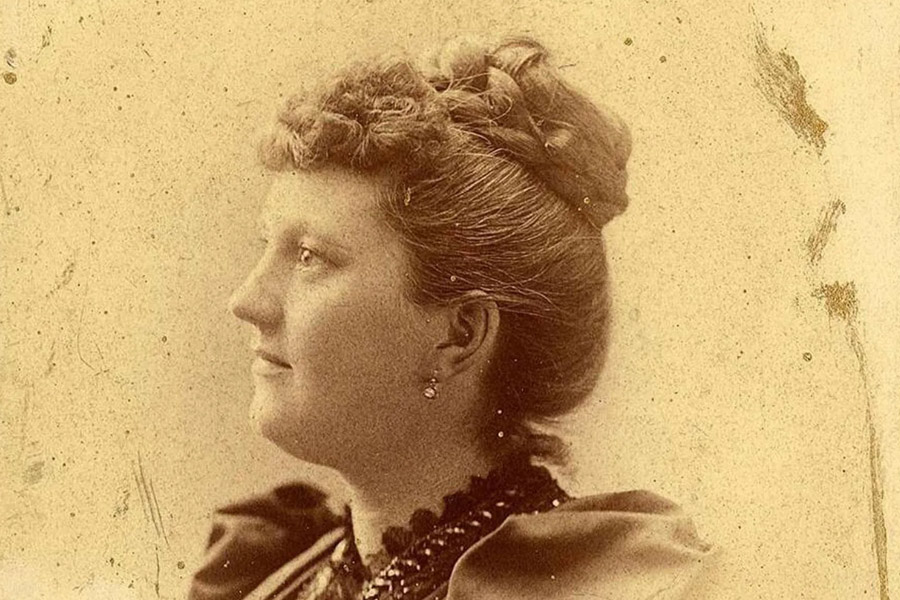
Mary reminded me of Ireland’s landscape and East Boston’s scruffy hope. Born on December 6, 1857, she grew up in a time when a single family could shape a neighborhood. She earned a reputation, a solid pair of hands in the kitchen, and a penchant for listening during her upbringing. The capital from the little currencies enabled a prominent American family rise socially.
James Hickey and Margaret M. Field were her parents. Both names connected her to a community of interdependent immigrants. I sense the courage behind those names: work, births, funerals, ledger books for rents and obligations. Local records demonstrate a quilt-like pattern of births, marriages, and community links from the 1860s to the 1880s.
Marriage and children
P. J. Kennedy
She married Patrick Joseph Kennedy in November of 1887. I think of their union as two sturdy roots joining beneath a crowded city block. P. J. ran businesses and courted influence. Mary kept the household, managed relationships, and helped transform private stability into public possibility. Their marriage produced four children, though not all lived to old age.
Joseph P. Kennedy Sr.
Their eldest son, born on 6 September 1888, grew into a figure of national ambition. He became a financier and political actor whose decisions changed the trajectory of the family. I imagine Mary watching him go, seeing her careful thrift become seed capital for ventures that would tower far beyond their East Boston neighborhood.
Francis Benedict Kennedy
A quiet, heartbreaking entry in the family ledger, Francis Benedict lived only briefly. Infant mortality left its traces on every family of that era. I picture how such a loss shapes character: a patience that is quicker to soothe and a faith that clings to what endures.
Mary Loretta Kennedy
Mary Loretta carried a steady adult life and descendants whose stories braided back into the larger family narrative. She represents how daughters were pivotal in holding social networks together.
Margaret Louise Kennedy
The youngest daughter, Margaret Louise, extended the family into new marriages and neighborhoods. I see her as one of the threads that preserved continuity when public life stretched the family thin.
Household, civic life, and social standing
I write as if I’ve entered their parlor: time-patterned wallpaper, a clock that ticks between campaigns and births. Mary ruled domestic competence with rigidity. She was a reputation steward, not a headline generator. She participated in local and municipal activities, including early women’s public service, in the late 1800s and early 1900s. Her life was enmeshed into local charities and groups. P. J. and later their eldest son handled home finances, but Mary was the everyday economist who balanced miniature ledgers in her brain.
Numbers aid. She married at 29 on 23 November 1887. Joseph, her son, was born September 6, 1888. Tavern revenues and political favors gave the family social leverage, while routine spending and business volatility allowed for sharp home management.
Legacy and notable descendants
John F. Kennedy
One of the family lines leads to a presidency. John F. Kennedy was a grandson in the web that Mary helped begin. She was not alive to see the 1960 campaign, but the ethos she maintained at home contributed to the family culture that later sought national office. The dynasty that rose from modest Irish immigrant roots is a study in multiplied effects: small savings, careful marriages, local influence, and risks taken far from the kitchen table.
Mary is a figure who illustrates how private acts compound into public history. Her household work, her mourning and celebrations, her steady presence during elections and losses, all accumulated like interest. She was both reservoir and wellspring.
Extended timeline
| Date | Event |
|---|---|
| 6 December 1857 | Birth of Mary Augusta Hickey |
| 23 November 1887 | Marriage to P. J. Kennedy |
| 6 September 1888 | Birth of son Joseph P. Kennedy Sr. |
| 1891 | Birth of Francis Benedict Kennedy (died in infancy) |
| 6 August 1892 | Birth of Mary Loretta Kennedy |
| 22 October 1898 | Birth of Margaret Louise Kennedy |
| 20 May 1923 | Death of Mary Augusta Hickey Kennedy |
These markers read like mileposts on a road my eye follows with curiosity.
Frequently Asked Questions
Who were Marys parents and what were their origins?
James Hickey and Margaret M. Field were her parents. They were members of an immigrant community whose lives were governed by work, church, and neighborhood ties. Their names show up in census and church records that sketch a life of steady labor and social rootedness.
How many children did Mary have and what became of them?
She had four children. Joseph P. Kennedy Sr became a major financier and patriarch of the extended family. Two daughters, Mary Loretta and Margaret Louise, married and raised families that remained part of the broader network. One son, Francis Benedict, died in infancy.
What role did Mary play in public life?
Her public presence was modest but meaningful. She participated in neighborhood organizations and civic efforts, reflecting the era when women exerted social influence through charities, clubs, and suffrage related activities. She managed a household that became a springboard for political careers.
When did she live and when did she die?
She was born on 6 December 1857 and died on 20 May 1923. Her lifespan covered a period of intense urban change, immigration surges, and political realignments that shaped 20th century America.
Did Mary influence later generations directly?
Yes. Influence is not only instruction. It is habit, memory, etiquette, and attitude. The discipline of household management, the moral scaffolding during losses, the informal education given to children in manners and ambition they received from Mary all helped form a culture that later generations carried into business and politics.
Where did the family live during her life?
The family centered in East Boston and nearby Boston neighborhoods. Those places were dense with immigrant life, small businesses, and political machines that could be navigated by a family with local ties and stamina.
Are there physical traces of her life today?
Headstones, family photographs, and archival materials remain. Dates, names, and a few portraits endure in community memory and family collections. They are the small monuments that persist when large ones are yet to be built.